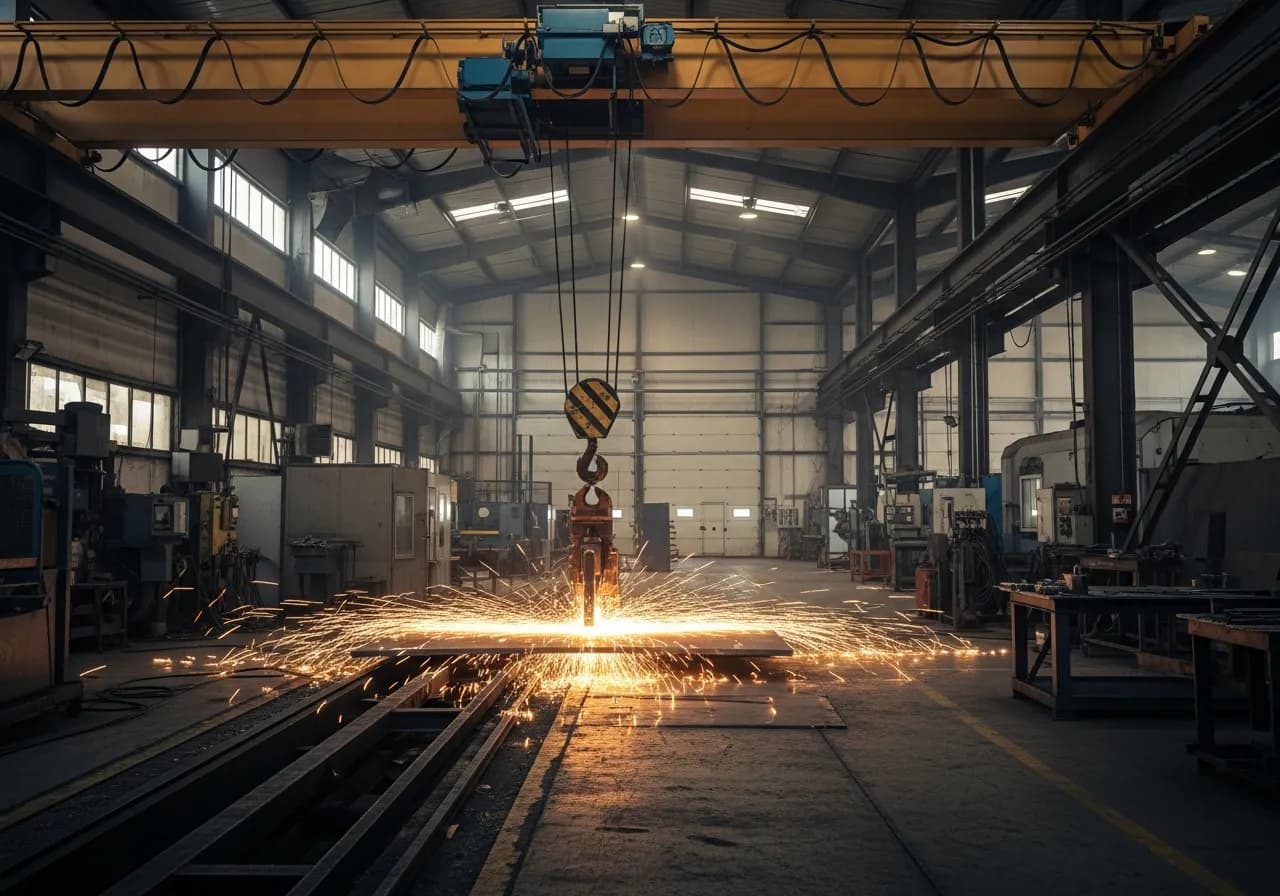
Steel & Metal Fabrication
Steel & Metal Fabrication
Fabrication shops and mills move plate, coil, weldments and finished steel constantly, and the overhead and gantry cranes that feed the floor define the shop’s throughput. Kranes supplies, installs and services in-plant cranes built for high duty cycles, including magnet and coil-handling configurations, with the hoists and parts to keep them under load. Tell us the loads, the span and how hard you run the crane, and we quote a system built to last in a fabrication environment.
Typical applications
- Plate & weldment handling
- Coil & magnet lifting
- High-duty overhead cranes
- Shop crane upgrades
Crane solutions for Steel & Metal Fabrication
Key Takeaways
- ✓Key features: Plate & weldment handling, Coil & magnet lifting, High-duty overhead cranes
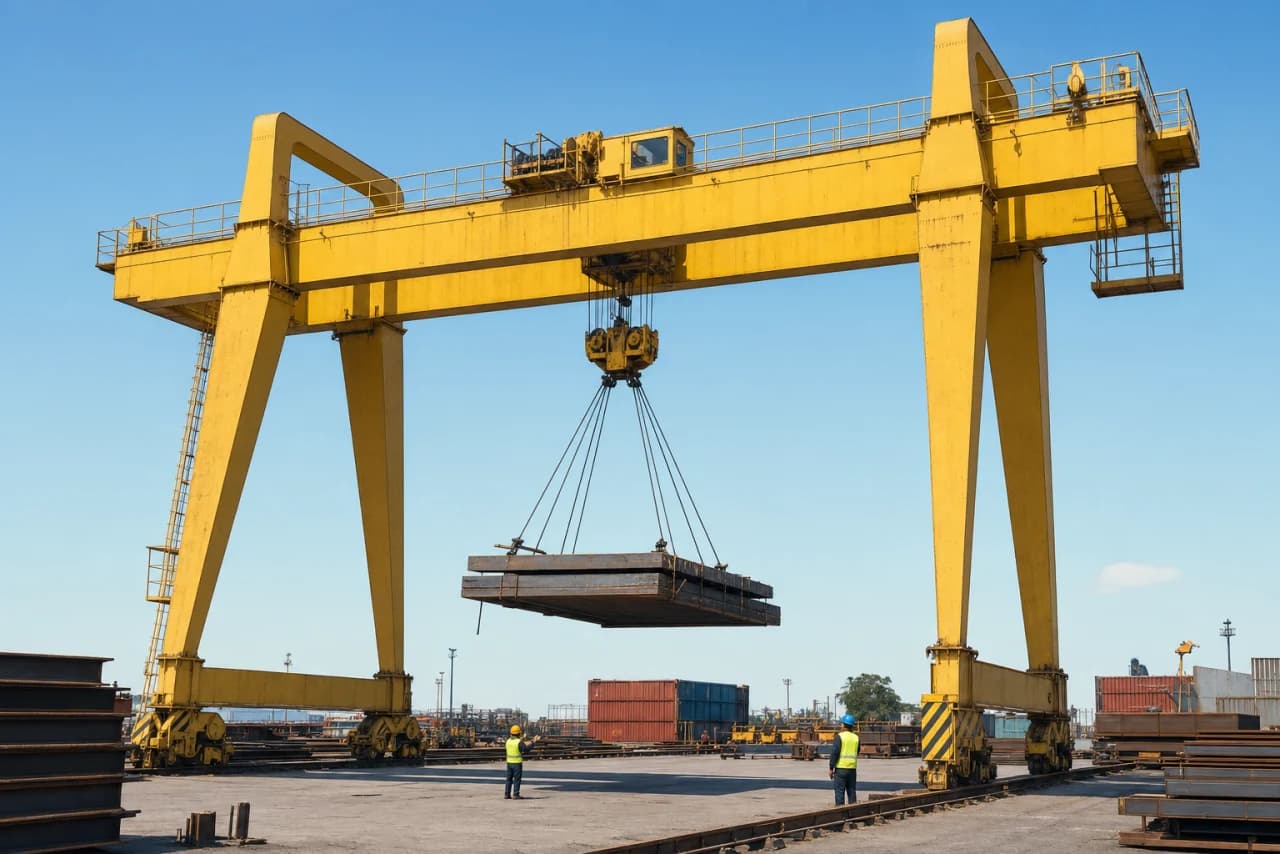
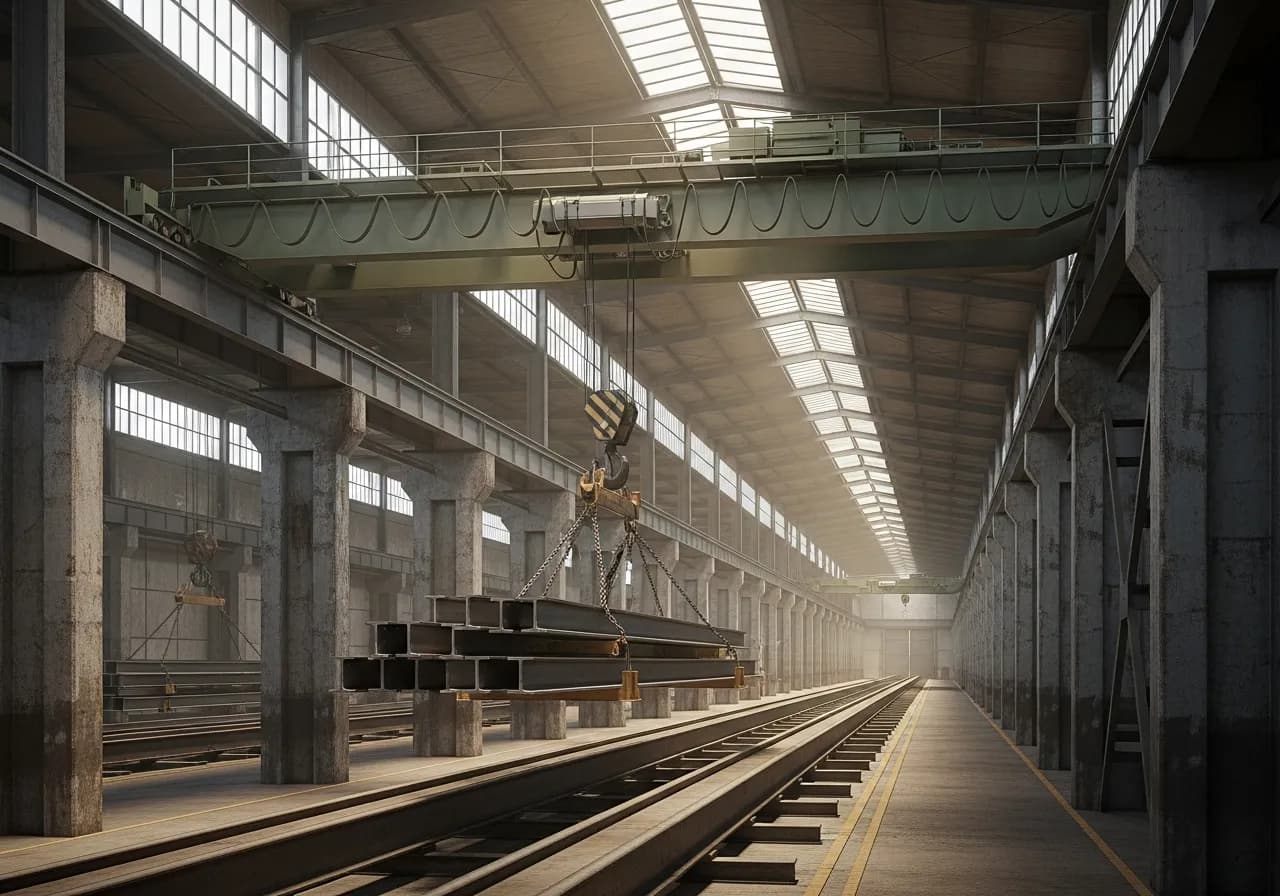
A fabrication shop is built around its overhead cranes: plate, coil, weldments and finished steel move from the truck to the saw to the weld bay to shipping, and the crane sets the pace of all of it. Double-girder overhead cranes carry the heaviest plate and weldments at high duty; magnet and coil-handling configurations move raw stock without slings; and a gantry crane handles the yard and laydown where a runway does not reach. Kranes supplies, installs and services these in-plant cranes for the high duty cycles a fabrication shop runs, including lifting-magnet and coil-handling systems, with the hoists, controls and parts to keep them under continuous load. Throughput is money in a shop, so the crane is specified for the duty class it actually sees and modernized — new hoist, new controls — when an older structure is sound but slow.
Steel & Metal Fabrication — The work
Specifying a shop crane comes down to the loads, the span and how hard the crane runs all shift. Tell Kranes the heaviest plate or coil, the bay span and the duty cycle, and we engineer a system that survives a fabrication environment rather than wearing out under it. Installation is sequenced to keep the floor producing, and existing runways are checked to carry the new duty. A fabrication crane runs hard, so inspection, certification and a stocked parts supply are what keep it producing safely.
The right crane
Kranes documents cranes to OSHA and ASME B30, services them on a duty-based schedule and sources wire rope, brakes, magnets, controls and wear parts fast. Tell us the loads, the span and how hard you run the crane, and we quote a system built to last in a fabrication shop, anywhere in the United States.
“The rated load of the crane shall be plainly marked on each side of the crane, and if the crane has more than one hoisting unit, each hoist shall have its rated load marked on it or its load block and this marking shall be clearly legible from the ground or floor.”
Why Kranes for Steel & Metal Fabrication work
Related industries
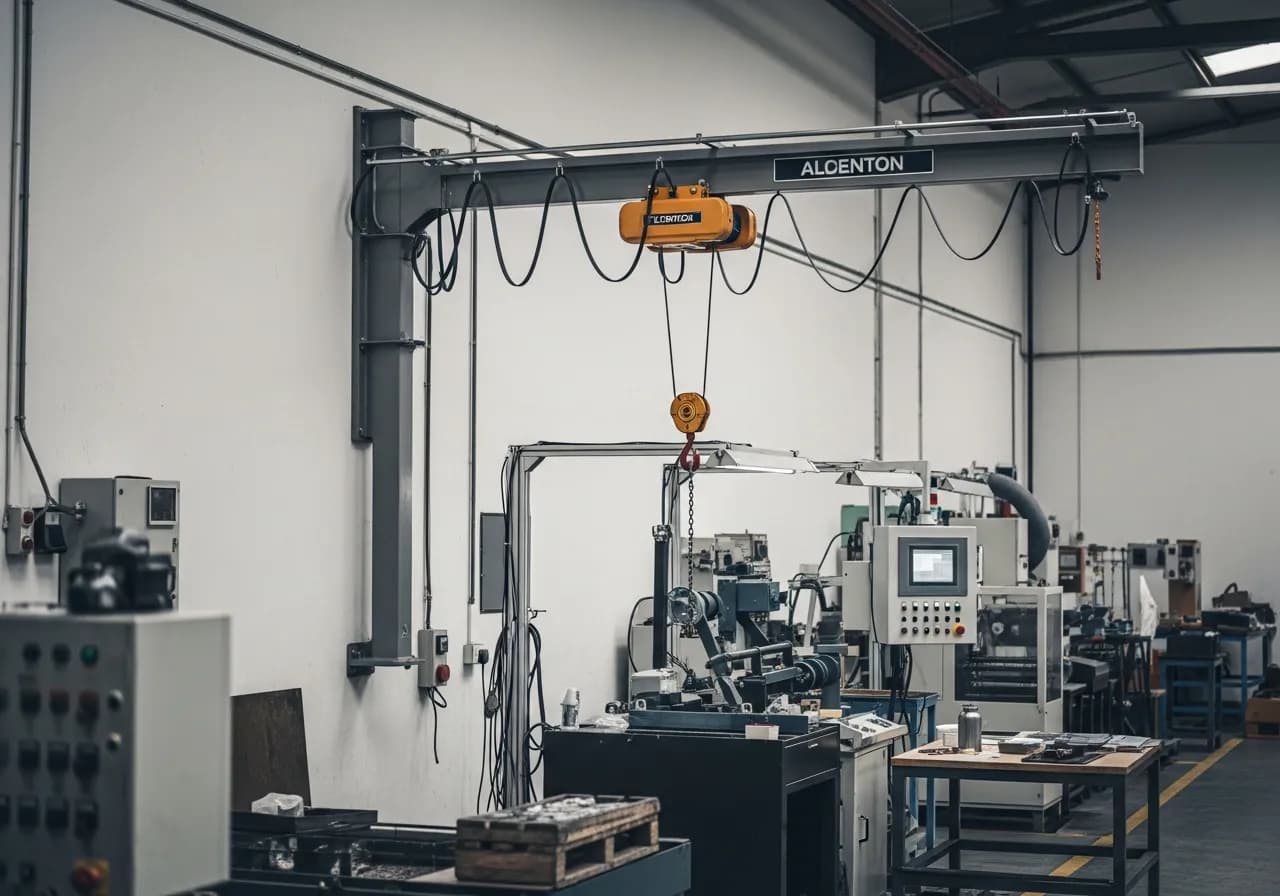
Steel & Metal Fabrication across the United States
Questions about cranes for Steel & Metal Fabrication
What is the difference between a gantry crane and an overhead crane?
Both run a hoist along a bridge, but the support is different. An overhead (bridge) crane carries its bridge on runway beams fixed to the building structure, so it clears the floor entirely and reaches the highest hook positions. A gantry crane carries the same bridge on freestanding legs that run on floor rails or castors, so it needs no building steel and can work outdoors, in yards or anywhere a runway can't be mounted overhead. Overhead cranes suit permanent in-bay production; gantries suit flexible, portable or outdoor lifting. Kranes supplies, installs and services both. Both are covered by OSHA 1910.179 when used in general industry.
What is a gantry crane and why is it called that?
A gantry crane is a lifting bridge carried on two freestanding legs that straddle the work area and run on floor rails or castors — essentially an overhead crane that brings its own supports instead of relying on the building. The name comes from "gantry," an old word for a raised frame or platform that spans a space. They're also called portal cranes, and smaller adjustable versions are known as portable or A-frame gantries. Kranes supplies adjustable, portable and full-span gantry cranes for yards, workshops and any bay without overhead steel. Gantries can be fixed or mobile, single- or double-girder.
Get a crane quote for Steel & Metal Fabrication?
Tell us the lift and we send a quote within 24 hours.