Manufacturing & Industrial
Manufacturing & Industrial
Plants move heavy parts all day, and the overhead, gantry and jib cranes that do it are production equipment — when they stop, the line stops. Kranes supplies, installs and services in-plant lifting built to ASME B30. 2 and OSHA 1910.
Typical applications
- In-bay production lifting
- Machine cell jib cranes
- Die & tooling handling
- Maintenance lifts
Crane solutions for Manufacturing & Industrial
Key Takeaways
- ✓Key features: In-bay production lifting, Machine cell jib cranes, Die & tooling handling
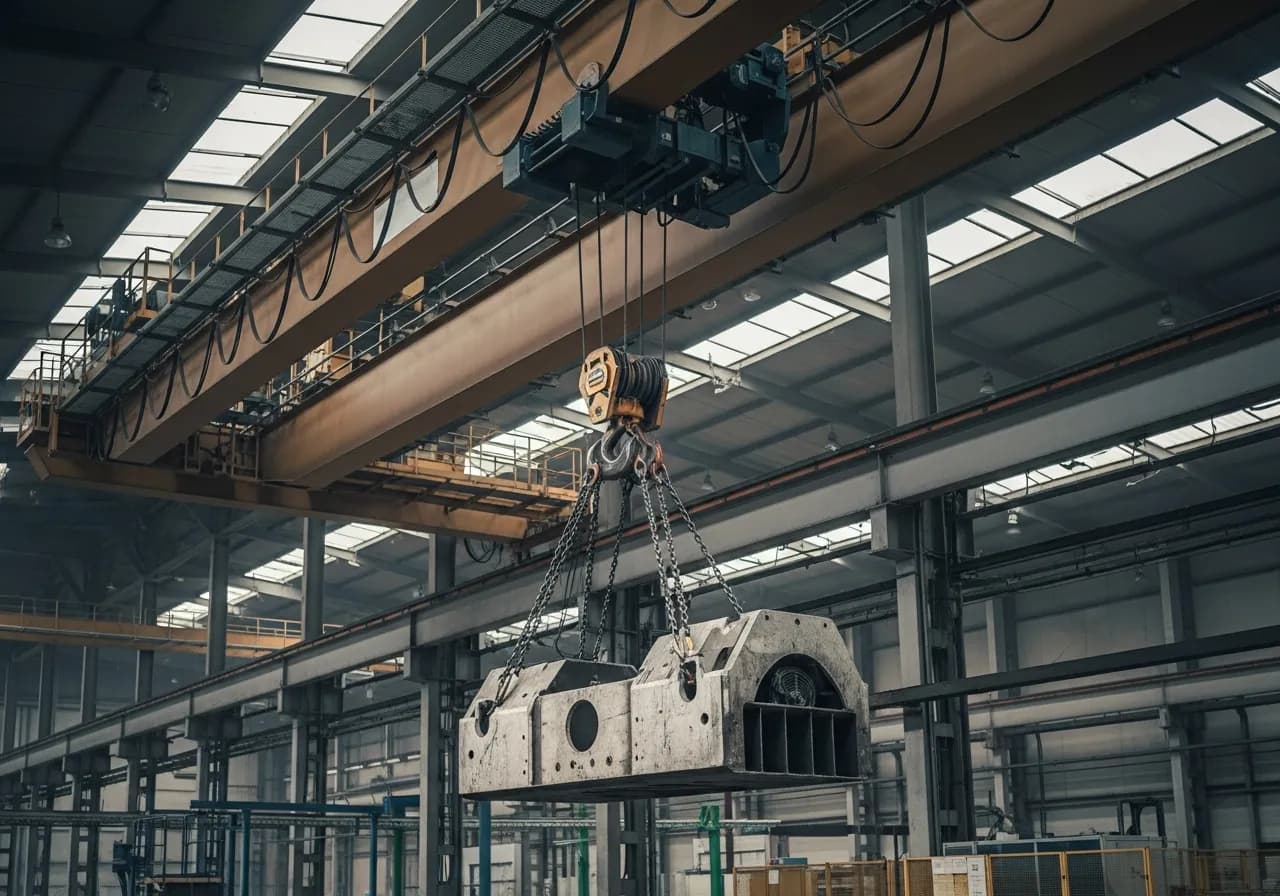
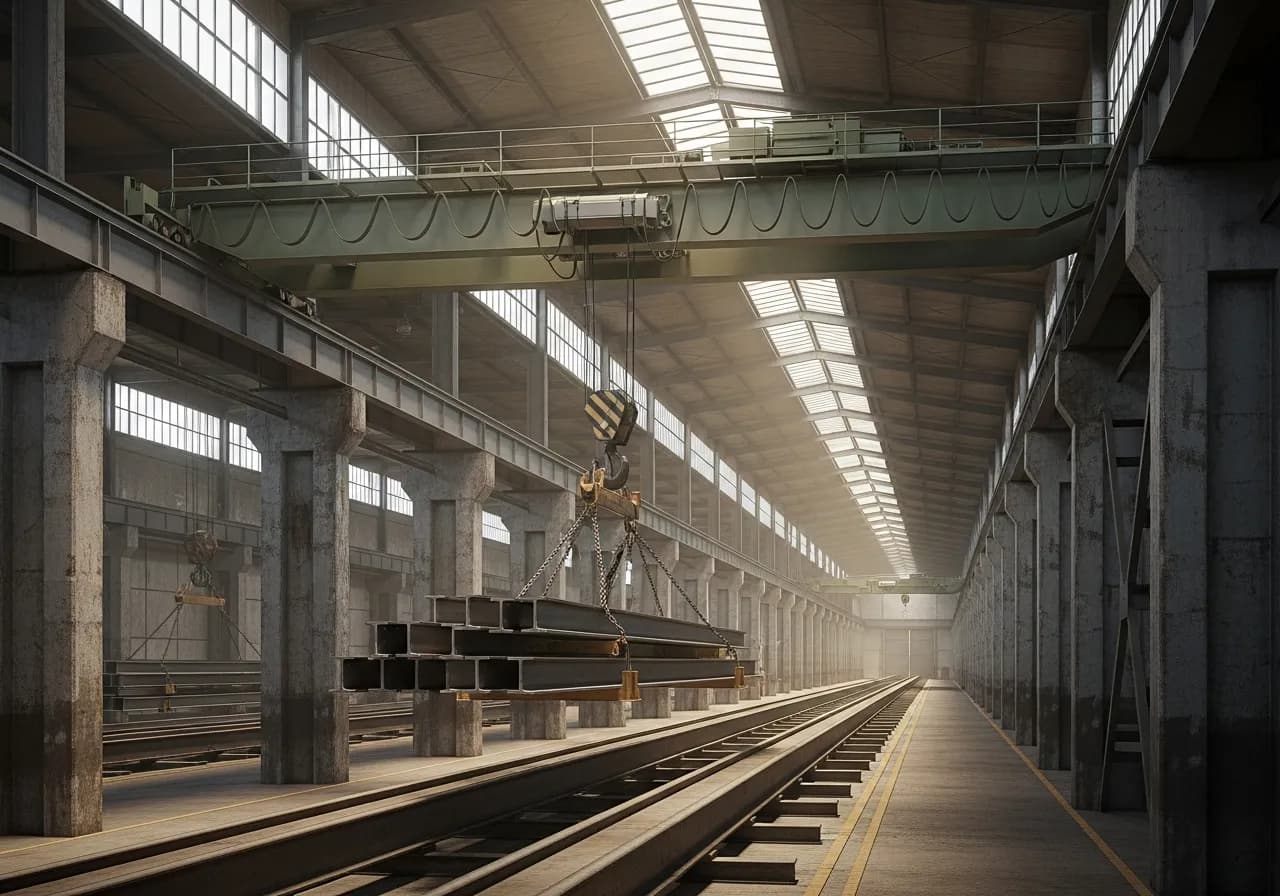
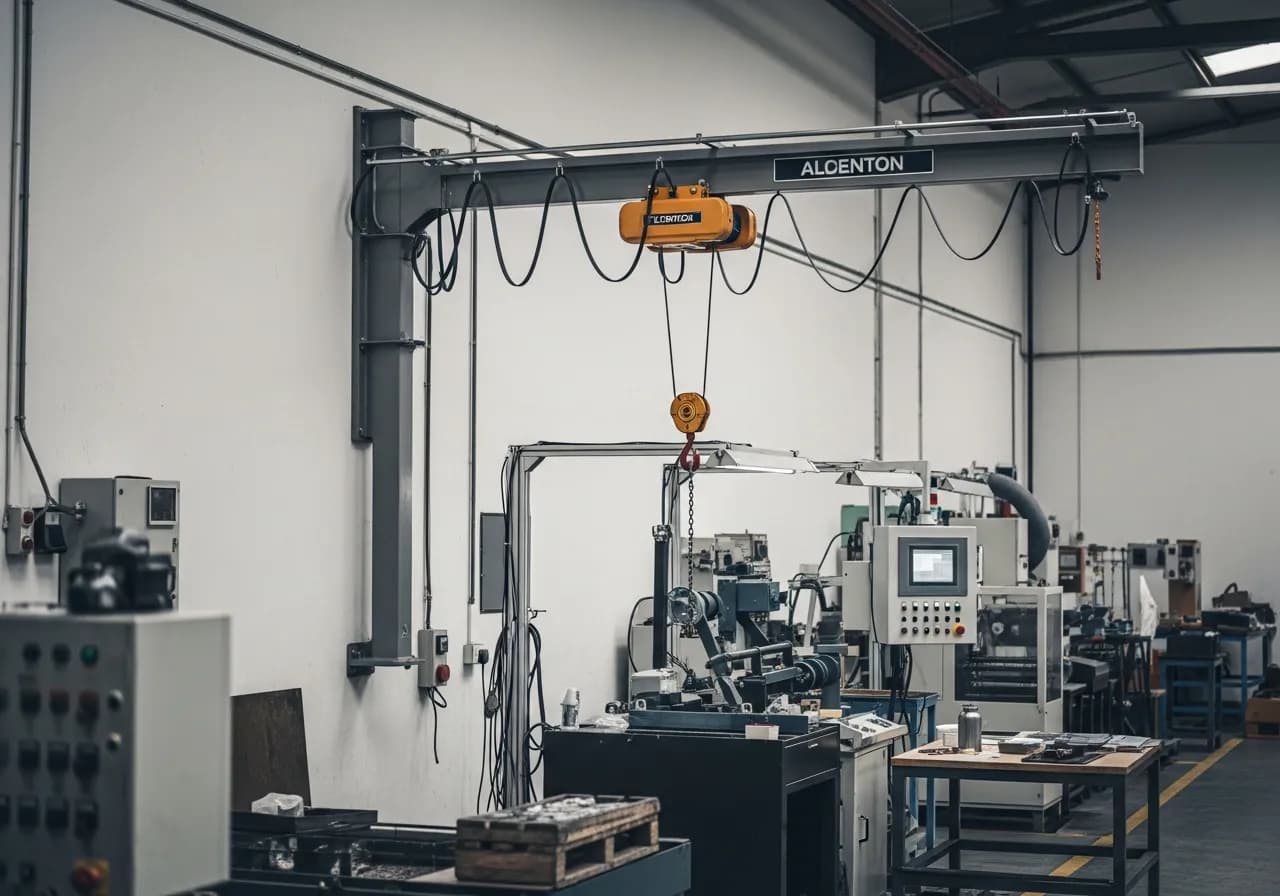
Inside a plant the lifting is fixed and repetitive, so the crane is part of the process line rather than a visitor to it. A single jib crane serves one machine cell or weld station; a workstation or monorail system feeds a production line; and a single- or double-girder overhead crane spans the whole bay for the heaviest in-plant moves. The right mix depends on the loads, the bay geometry and how many times an hour the lift repeats. Kranes supplies, installs and services this in-plant lifting end to end, built to ASME B30.
Manufacturing & Industrial — The work
2 and the CMAA duty class your floor actually runs. That covers new overhead and gantry cranes, jib cranes over machine cells, the wire-rope and electric chain hoists that ride them, and the controls and runway that tie it together. When an older crane is sound but slow or hard to control, a hoist and control upgrade modernizes it without replacing the structure. Specifying plant lifting comes down to capacity, span, lift height and duty cycle.
The right crane
Tell Kranes the loads, the bay and how hard the crane works, and we engineer a system matched to the floor — neither under-built for the duty nor over-specified for the budget. Installation is sequenced around production so the new crane goes in with the least possible downtime, and existing runways are checked or upgraded to carry it. A production crane that stops stops the line, so service and parts are the real value behind it. Kranes runs preventive maintenance, inspection and certification, aligns runways and stocks the hoists, brakes, controls and parts to keep the crane under load.
Service & compliance
Tell us the loads, the span and the duty cycle, and we quote a system — and the service behind it — matched to how your plant actually works, anywhere in the United States.
“This section applies to overhead and gantry cranes, including semigantry, cantilever gantry, wall cranes, storage bridge cranes, and others having the same fundamental characteristics.”
Why Kranes for Manufacturing & Industrial work
Related industries
Manufacturing & Industrial across the United States
Questions about cranes for Manufacturing & Industrial
How much does crane rental cost?
There's no honest flat rate — crane rental (or crane hire) is priced per job. The main drivers are the crane class and capacity, how long you need it (hourly, daily, weekly or by project), whether you need a certified operator, the rigging required, and site access. A small boom-truck pick costs a fraction of a multi-day mobile or tower-crane job. Rather than quote a misleading average, Kranes prices your exact lift: send the load, the radius, the lift height and the timing, and we return a clear, itemized quote within 24 hours so you can budget with confidence. Longer commitments usually lower the effective rate.
What is the 3-3-3 rule for cranes?
The 3-3-3 rule is a quick safety habit some operators use: take three seconds to start a movement smoothly, hold steady for three seconds, and take three seconds to stop — keeping loads from swinging through sudden acceleration or braking. It's a rule of thumb, not a regulation, and it never replaces a proper lift plan, load chart and the operator's judgment. On any Kranes lift, NCCCO-certified operators follow the manufacturer's load chart and OSHA 1926 Subpart CC practice, with the rigging and ground conditions verified before the load leaves the ground. If a load starts to swing, the operator stops and lets it settle before moving again.
What does "crane services" mean?
"Crane services" covers everything around getting a load lifted safely beyond just the machine: supplying the crane (sale or rental), providing certified operators, planning and engineering the lift, rigging, and the ongoing maintenance, inspection, certification and parts that keep a crane compliant. As the nationwide supplier, Kranes covers all of it — sales, rental, service and parts — from one request. You describe the job; we provide the crane and the certified support to complete it, then keep it running afterward. That includes inspection records, certified operators and a written quote that spells out every part of the scope before the crane mobilizes.
What is the difference between a gantry crane and an overhead crane?
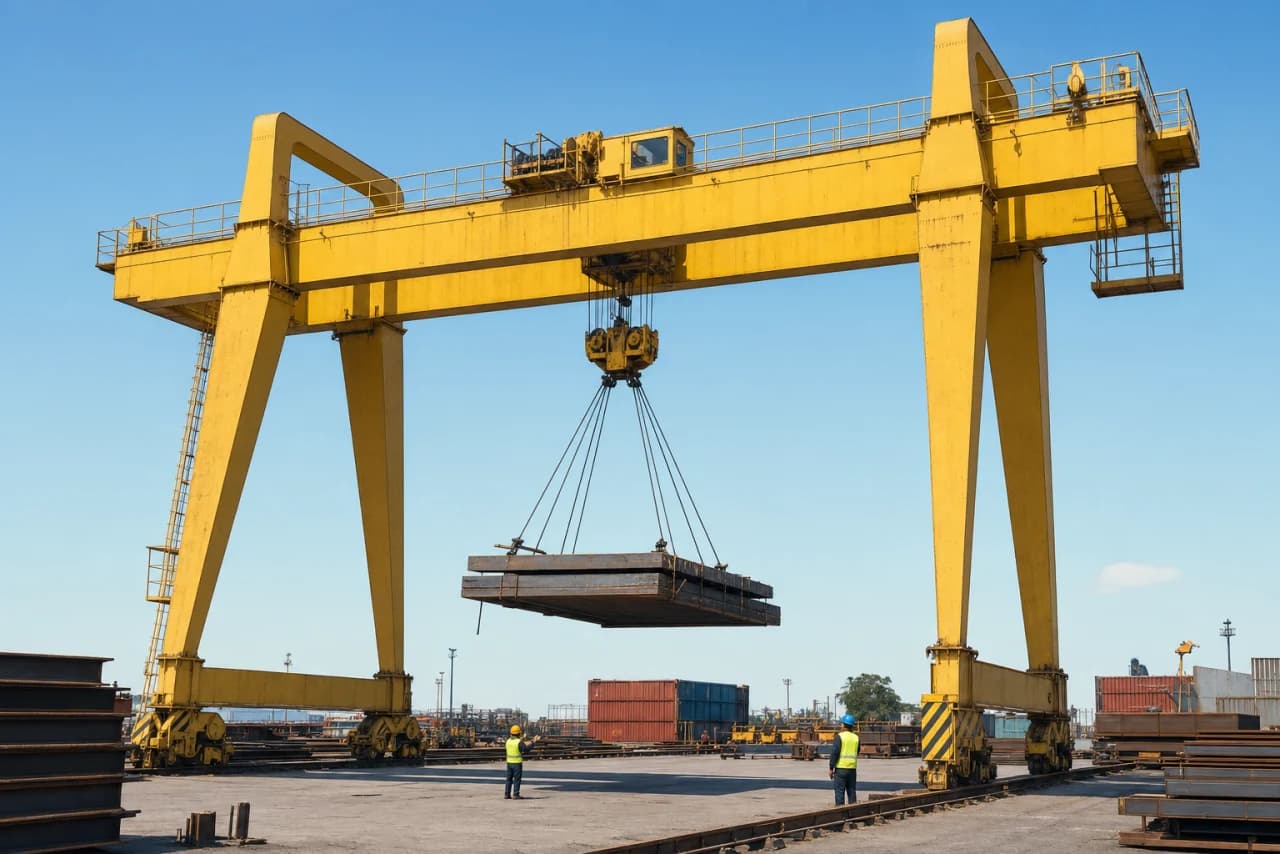
Both run a hoist along a bridge, but the support is different. An overhead (bridge) crane carries its bridge on runway beams fixed to the building structure, so it clears the floor entirely and reaches the highest hook positions. A gantry crane carries the same bridge on freestanding legs that run on floor rails or castors, so it needs no building steel and can work outdoors, in yards or anywhere a runway can't be mounted overhead. Overhead cranes suit permanent in-bay production; gantries suit flexible, portable or outdoor lifting. Kranes supplies, installs and services both. Both are covered by OSHA 1910.179 when used in general industry.
Get a crane quote for Manufacturing & Industrial?
Tell us the lift and we send a quote within 24 hours.