Overhead Crane
Overhead Crane
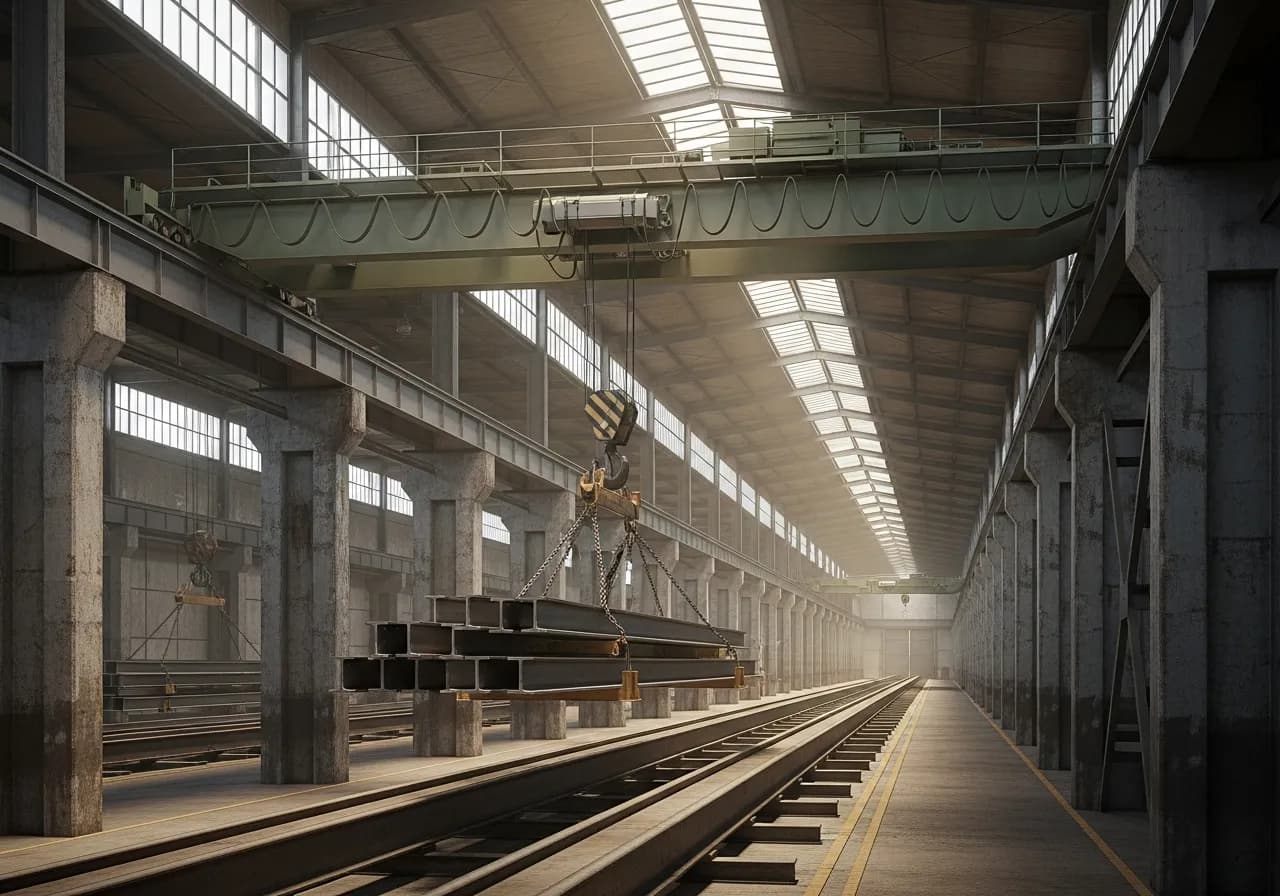
An overhead crane — also called a bridge crane, overhead bridge crane, ceiling crane or indoor crane — runs a hoist along a bridge that travels on runway beams fixed to the building structure, clearing the floor for the highest repeatable lifts in a plant. Single-girder designs handle lighter, everyday production duty; double-girder designs carry heavier loads and longer spans with greater hook height. Kranes supplies, installs and services top-running and under-running overhead cranes, plus the wire-rope and chain hoists that ride them — complete overhead crane solutions from one supplier.
Best for Plants needing high, repeatable in-bay lifts
Key specifications
- Single- & double-girder
- Top-running or under-running
- OSHA & ASME B30.2 compliant builds
- Wire-rope & chain hoists
- Inspection, repair & parts
About Overhead Crane
Key Takeaways
- ✓Overhead Crane pricing: By quote
- ✓Key features: Single- & double-girder, Top-running or under-running, OSHA & ASME B30.2 compliant builds
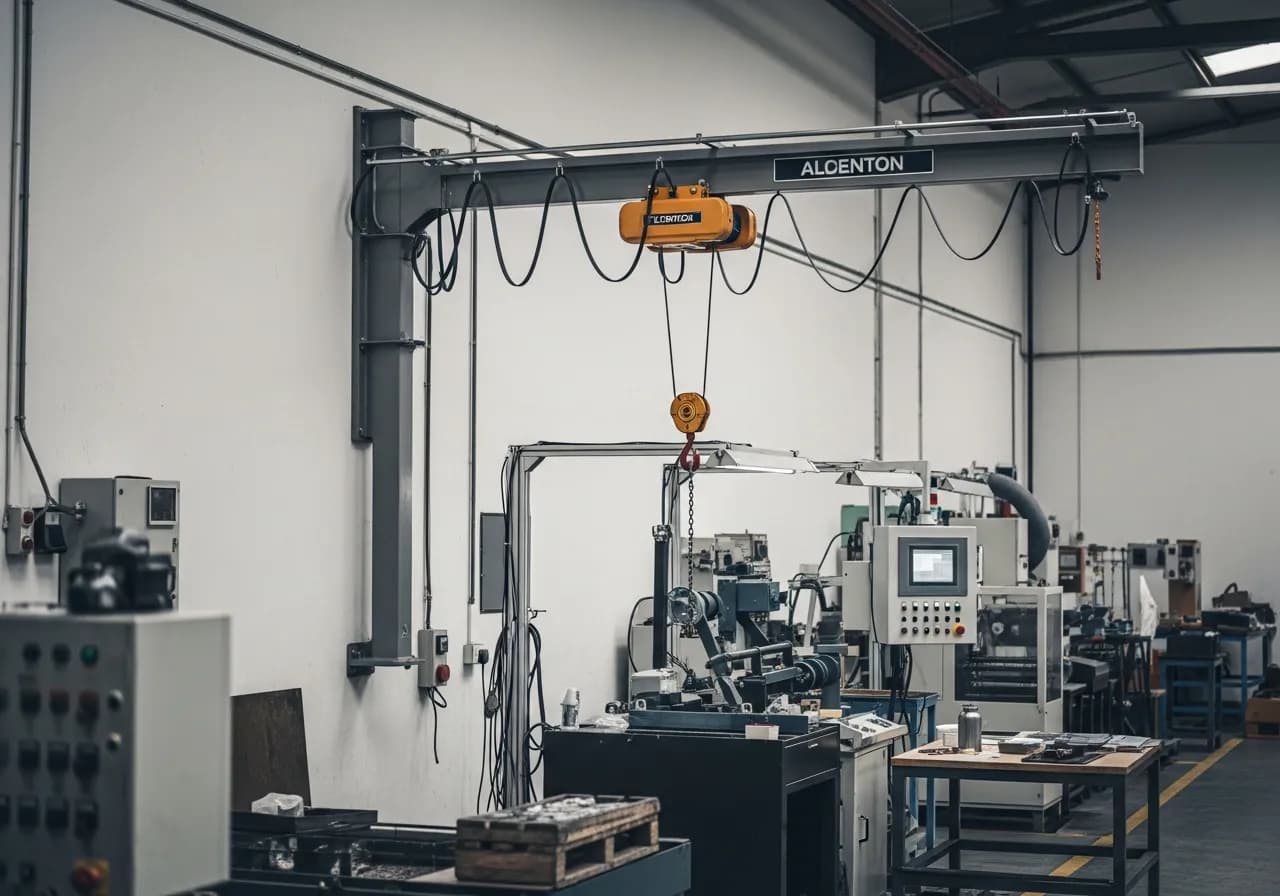
Overhead cranes split into two broad families. A single-girder bridge crane carries one beam and an underhung hoist for everyday production duty, while a double-girder overhead crane runs the hoist on top of two beams for heavier loads, longer spans and the maximum hook height in the building. Top-running cranes ride rails above the runway for the heaviest service; under-running (underhung) cranes hang from the runway flange to save headroom and feed monorail spurs into adjacent bays. Workstation and monorail systems extend the same principle to lighter, repetitive moves.
Overhead Crane — Configurations
Because the bridge is fixed to the building, an overhead crane — the indoor or ceiling crane many plants simply call their bridge crane — keeps the whole floor clear for production while still reaching any point in the bay. That makes it the backbone of steel service centers, fabrication shops, assembly lines, foundries and warehouses across the United States. Industrial overhead crane duty is rated by class, from standby maintenance hoists to severe round-the-clock cycles, and Kranes specifies the class your process actually runs so the crane is neither under-built nor overpriced. Sizing an overhead crane comes down to capacity, span, lift height and duty class, plus the building steel available to carry the runway.
Applications
From those numbers Kranes engineers a complete overhead crane solution — bridge, end trucks, hoist, controls and runway — or retrofits a new hoist and controls onto an existing structure. Buy when the crane is core to daily production; we also handle new-runway installation, relocation and capacity upgrades. Every build is documented to ASME B30. 2 and OSHA 1910.
Service & support
179, the US requirements for overhead and gantry cranes. Once it is running, an overhead crane needs scheduled inspection, the occasional repair and a reliable parts supply to stay safe and certified. Kranes load-tests and certifies cranes, aligns runways, and stocks overhead crane parts and components — wire rope, hoists, brakes, motors, festoon, conductor bar, end trucks, wheels and controls — for every make, including older units other suppliers no longer support. Send your capacity, span and duty class, or a photo of a worn part, and we respond with a quote and availability anywhere in the US.
“Prior to initial use all new and altered cranes shall be inspected to insure compliance with the provisions of this section.”
At a glance
| Specification | Details |
|---|---|
| Product | Overhead Crane |
| Price range | By quote |
| Best for | Plants needing high, repeatable in-bay lifts |
| Makes covered | All major makes |
| Operation | Operated or bare |
| Warranty | By quote |
| Compliance | OSHA / ASME B30 |
| Coverage | Nationwide (US) |
Why choose Overhead Crane?
What this equipment is built to do.
Overhead Crane across the United States
Kranes supplies overhead crane directly in major cities across the United States.
Questions about Overhead Crane
What is the difference between a gantry crane and an overhead crane?
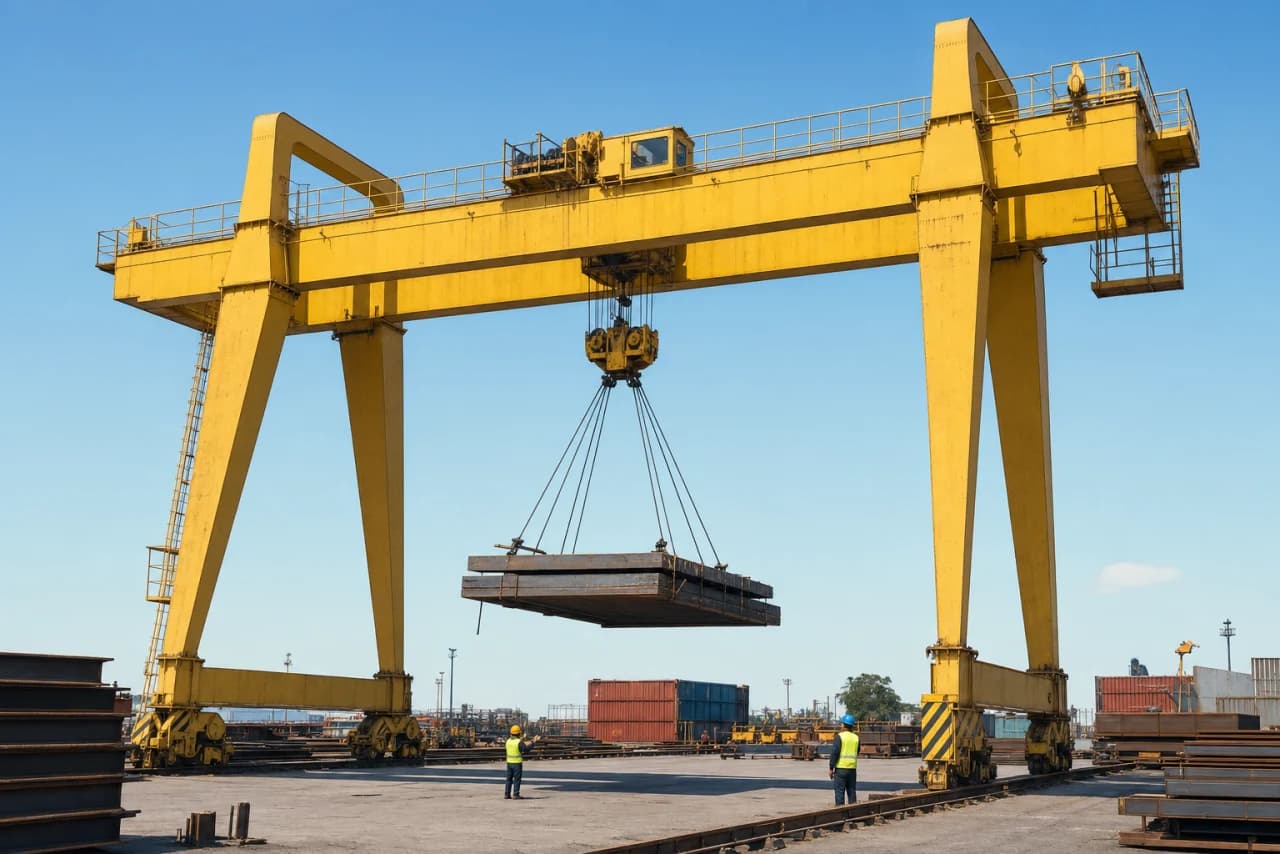
Both run a hoist along a bridge, but the support is different. An overhead (bridge) crane carries its bridge on runway beams fixed to the building structure, so it clears the floor entirely and reaches the highest hook positions. A gantry crane carries the same bridge on freestanding legs that run on floor rails or castors, so it needs no building steel and can work outdoors, in yards or anywhere a runway can't be mounted overhead. Overhead cranes suit permanent in-bay production; gantries suit flexible, portable or outdoor lifting. Kranes supplies, installs and services both. Both are covered by OSHA 1910.179 when used in general industry.
What is the 10-foot rule for cranes?
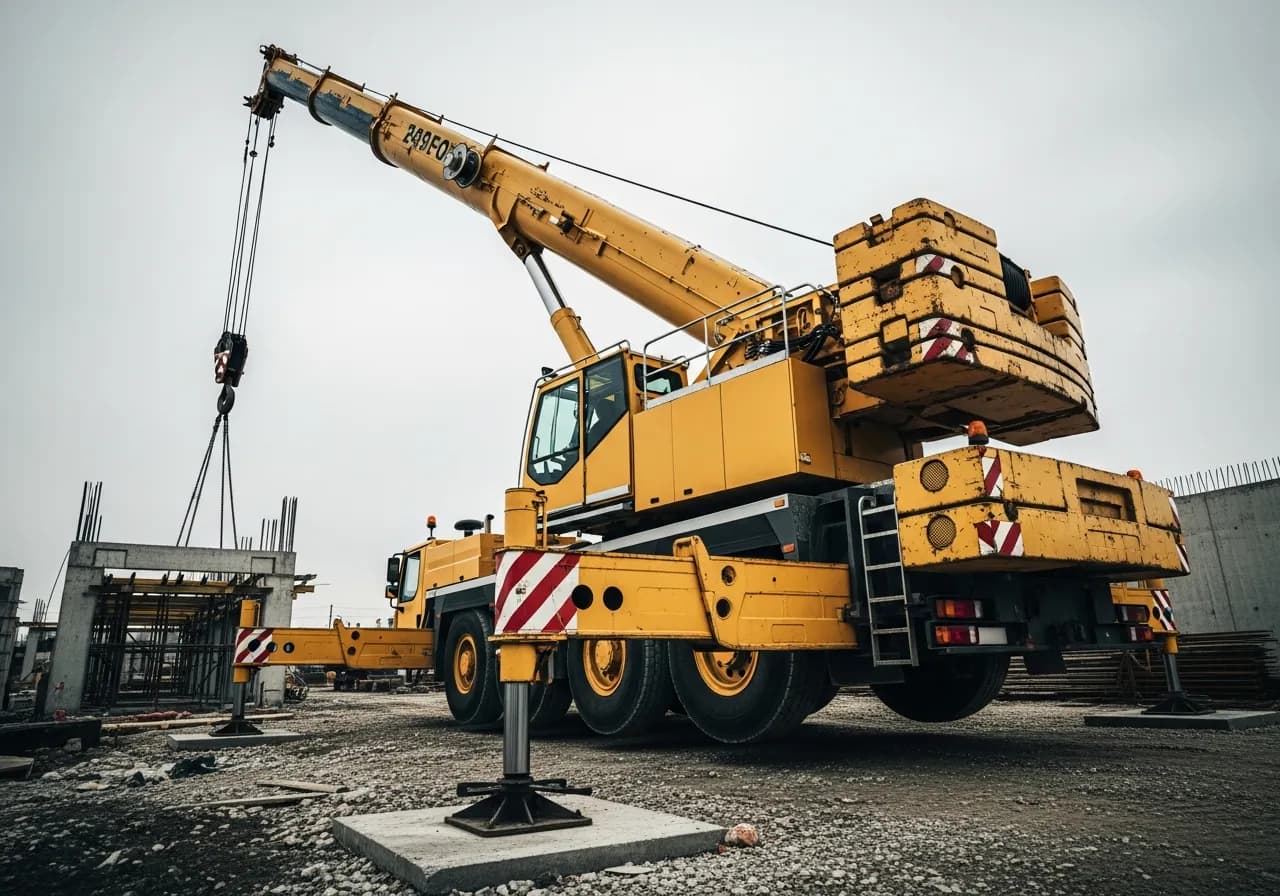
The "10-foot rule" is the common name for keeping cranes, loads and rigging a minimum distance from overhead power lines. In general industry, OSHA 29 CFR 1910.333 sets 10 feet for lines up to 50 kV, plus 4 inches for every 10 kV above that. For cranes used in construction, OSHA 29 CFR 1926.1408 is stricter: if any part of the crane, load line or load could come within 20 feet of a power line up to 350 kV, the employer must de-energize and ground the line, keep a 20-foot clearance, or use the voltage-based clearance table. Every Kranes lift plan checks for overhead lines, and certified operators keep the required clearance throughout the lift.
What is a gantry crane and why is it called that?
A gantry crane is a lifting bridge carried on two freestanding legs that straddle the work area and run on floor rails or castors — essentially an overhead crane that brings its own supports instead of relying on the building. The name comes from "gantry," an old word for a raised frame or platform that spans a space. They're also called portal cranes, and smaller adjustable versions are known as portable or A-frame gantries. Kranes supplies adjustable, portable and full-span gantry cranes for yards, workshops and any bay without overhead steel. Gantries can be fixed or mobile, single- or double-girder.
How often does a crane need to be inspected?
For cranes used in construction, OSHA 29 CFR 1926.1412 sets three layers. A competent person must visually inspect the crane before or during each shift it is used. Each month the equipment is in service, that inspection is repeated and documented. At least every 12 months, a qualified person must carry out an annual/comprehensive inspection, with disassembly where required. Repaired or modified equipment must also be inspected before it goes back into use. Overhead and gantry cranes in plants follow OSHA 1910.179, which divides inspections into frequent and periodic intervals based on how exposed each component is to wear. Kranes schedules inspections around these intervals and keeps the records on file for your audits.